Sports osteopath in Netanya
Whether you train casually or compete, repeated strain loads joints, muscles and tendons. A sports osteopath helps you recover, treats injuries and helps prevent recurrence through precise biomechanical work. In Netanya, Jonathan Jaoui, D.O. osteopath, supports athletes at the clinic.
Book an appointment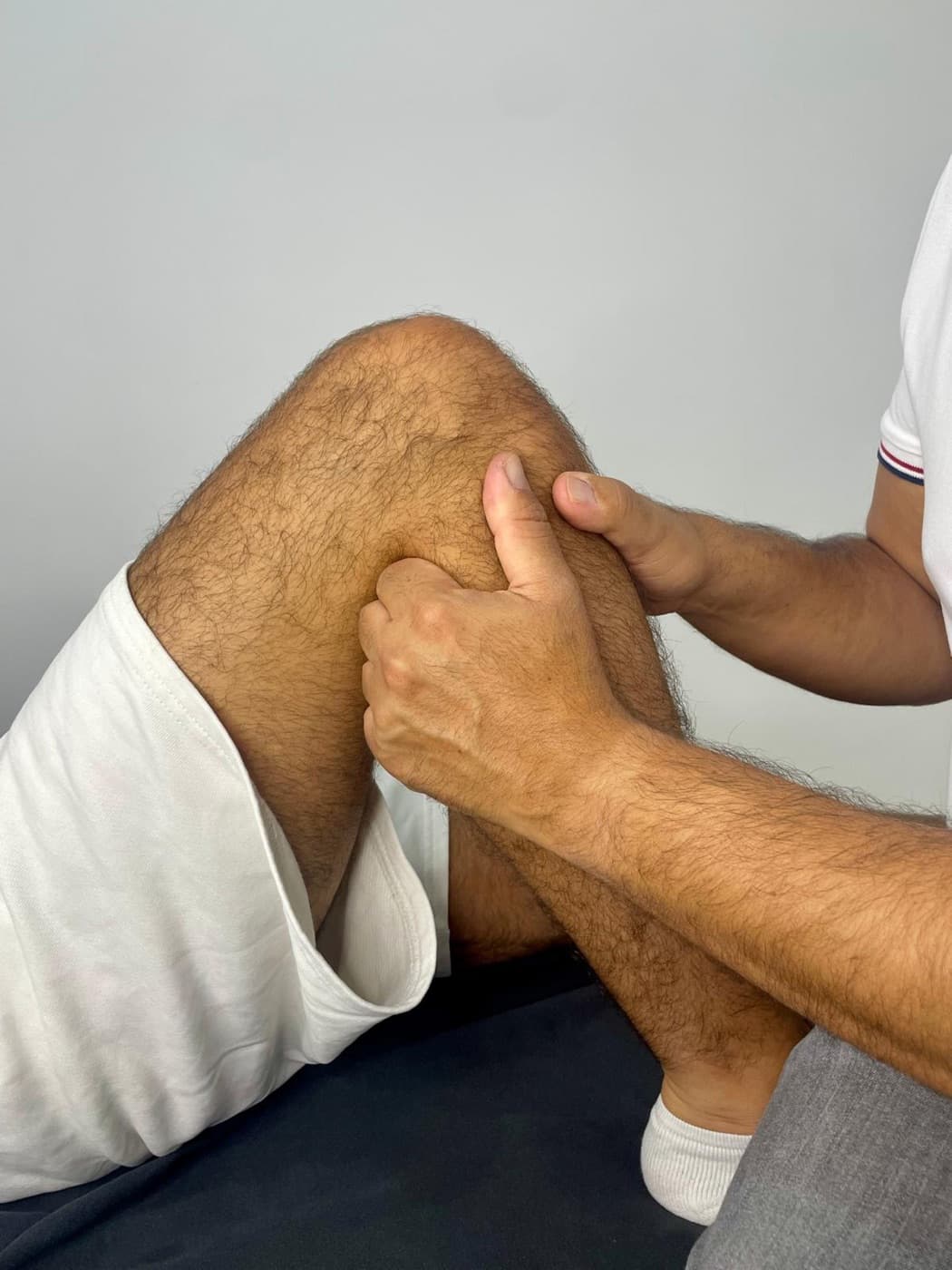
Reasons to consult
Tendinitis (shoulder, elbow, knee, ankle)
Tendinitis (shoulder, elbow, knee, ankle) often results from overuse or a poorly distributed movement. Beyond the painful tendon, the osteopath looks for the imbalances overloading it — joint mobility, posture, muscle chains — and works to reduce the strain and support recovery, alongside rest and medical care if needed.
Sprains and their after-effects
After a sprain (once seriousness has been medically ruled out), tension and a loss of mobility can linger and hamper your return. The osteopath supports recovery by restoring the joint's mobility and releasing compensations, to limit the risk of recurrence.
Knee, hip and shoulder pain
Knee, hip, shoulder: these joints, heavily used in sport, can become painful. The osteopath analyses your movement and posture to find what overloads the joint, then works on its mobility and the surrounding tension to improve comfort and performance.
Groin pain
Groin pain often affects athletes (running, football) and combines pain in the groin and lower abdomen. It reflects an imbalance between the abdominal muscles, adductors and pelvis. The osteopath rebalances this tension and pelvic mobility, alongside the rehabilitation often needed for this issue.
Muscle tightness and stiffness
Muscle tightness and stiffness appear with intense effort, fatigue or a lack of stretching. The osteopath releases this tension and works on the mobility of the areas involved to restore flexibility and reduce discomfort, with warm-up and recovery advice.
Recovery after effort or competition
After intense effort or a competition, the body needs to recover. By releasing tension and optimizing mobility, osteopathy supports better recovery and helps you get going again in good conditions. Occasional check-ups around key dates are often useful.
Injury prevention and movement optimization
Beyond treatment, osteopathy plays a part in prevention: spotting and correcting imbalances and tension before they become injuries, and optimizing the quality of your movement. A regular check-up, tailored to your sport, helps you keep going.
Precise biomechanical work
After analyzing your movement and posture, treatment releases tension, restores joint mobility and rebalances the muscle chains. The goal: improve comfort and performance and reduce injury risk.
When to consult?
For persistent pain, after an injury once you have a medical opinion, or preventively when resuming or preparing. Acute pain or a significant injury needs a medical assessment first.
How a session works
About 45 minutes: a review of your sport and pain, examination, tailored treatment, then warm-up, stretching and recovery advice.
Osteopathy complements medical care and physiotherapy — it does not replace them.
Related treatments
Frequently asked questions
Does osteopathy improve recovery?
Yes, by releasing tension and optimizing mobility, it supports better recovery.
How often should an athlete come?
Occasional check-ups (before/after a competition or when something bothers you) are often useful; frequency adapts to your practice.
Osteopath or physiotherapist?
They are complementary. Osteopathy works on the whole body and mobility; physiotherapy on targeted rehabilitation.
Do I need a referral?
No, you can book directly.